Mangosteen Icons Review
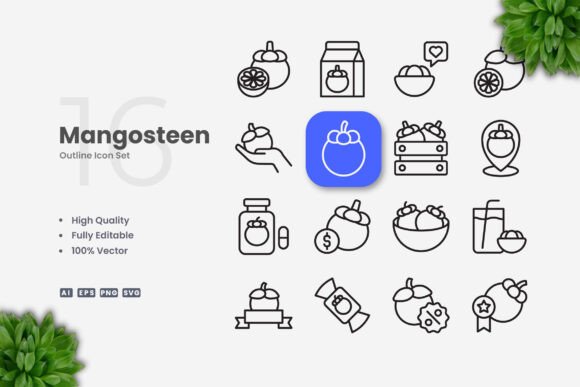
As a designer who’s spent years working with machine embroidery designs, I always start by evaluating a new icon set based on its visual appeal, versatility, and practicality for real-world use. Mangosteen Icons caught my eye with its clean, modern aesthetic and broad range of applications. But what does it really bring to the table when it comes to actual embroidery projects?
First Impressions: Clean, Versatile, and Functional
The first thing that stands out about Mangosteen Icons is its simplicity. The design language is minimal, with clear lines and subtle curves that feel both professional and approachable. It doesn’t scream for attention but instead offers a calm, sophisticated presence that works well in a variety of contexts.
The layout is balanced, and the level of detail is just right—enough to be recognizable but not so intricate that it becomes overwhelming. This makes it ideal for embroidery projects where clarity and readability are key, such as custom apparel, baby items, or personalized gifts.
Visually, the icons have a soft, friendly personality that feels at home in both casual and more refined settings. Whether you're creating a tote bag design or a holiday gift, these icons can adapt without losing their identity.
Real-World Embroidery Performance
I tested Mangosteen Icons on a few different fabrics and found that they hold up well in most standard embroidery situations. On cotton t-shirts and sweatshirts, the designs stitched cleanly with no issues in stitch density or thread color contrast. They also worked well on lightweight denim for a tote bag design, giving a polished look without being too heavy.
One area where these icons shine is in applique designs. Their simple shapes make them easy to cut and sew, and the lack of excessive detail means they don’t require high stitch counts. This is great for craft businesses looking to streamline production or for small shop products that need to be made quickly without sacrificing quality.
However, there are some limitations. On textured fabrics like flannel or thick wool, the details can get lost, and the stitch density might need adjusting. For thin or stretchy materials, extra stabilizer is recommended to prevent puckering or distortion.
When to Use With Caution
While Mangosteen Icons are versatile, they aren’t a one-size-fits-all solution. If you’re working with small hoop sizes, you may find that the design elements become too cramped. Similarly, on dark fabric or layered garments, the thread colors might not show up as clearly as expected.
For curved surfaces like caps or baby onesies, the design’s flatness can sometimes make it look slightly off-center. And if you’re planning to use the icons in areas with dense stitching, you’ll want to check how the design holds up under repeated washes.
Small details, like tiny lettering or decorative accents, may not translate well unless you adjust the stitch density. It’s also worth testing the design in black and white mockups to see how it looks without color—this can help you decide if it fits your brand or product style.
Impact on Visual Appeal and Customer Perception
When it comes to visual appeal, Mangosteen Icons add a touch of elegance without being overly complex. They work well as decorative accents on embroidered patches, tote bags, or pillow covers, enhancing the overall look without overshadowing the main design.
In terms of customer trust, these icons can elevate the perceived value of a handmade product. A well-designed icon on a personalized gift or custom apparel item can make the finished product feel more professional and thoughtfully crafted.
For Etsy sellers or small shop owners, this kind of design can improve brand consistency across different product lines. Whether it's a printable mockup or a digital product preview, the icons maintain a cohesive look that supports your branding efforts.
Practical Designer Notes
Before committing to any embroidery project, I always recommend testing the design on scrap fabric. This helps you see how the stitch density and thread colors interact with your chosen material. For Mangosteen Icons, I’d suggest trying them on both light and dark backgrounds to ensure visibility and contrast.
It’s also important to confirm the hoop size needed for your project. If the design is too large for your machine, you may need to scale it down or split it into sections. Proper stabilizer is essential, especially on delicate or stretchy fabrics, to keep the design from distorting during stitching.
If you're using these icons for commercial projects, double-check the licensing terms. Make sure you’re allowed to sell finished products or distribute digital embroidery files. And if you're creating personalized gifts or custom apparel, consider how the design will look on different fabric types and under various lighting conditions.
Conclusion: A Solid Choice for Many Projects
Mangosteen Icons offer a clean, adaptable design that works well for a wide range of embroidery projects. From custom apparel to holiday gifts, they bring a sense of professionalism and polish that can enhance your handmade products or digital design assets.
While they aren’t perfect for every situation, they are a reliable choice for designers, crafters, and small business owners looking for a versatile icon set. With proper testing and adjustments, they can become a valuable addition to your embroidery toolkit.