Spider Icons: Graphics and Icons for Creative Design
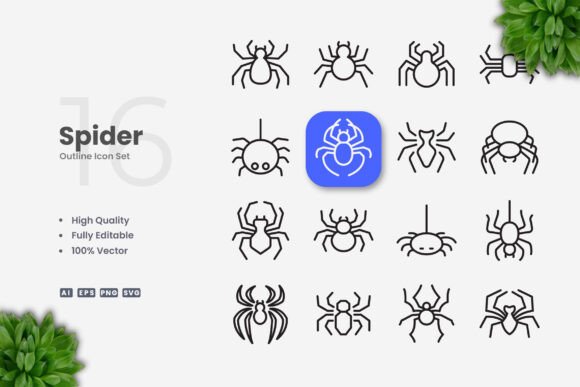
As a graphic designer with years of experience in branding, marketing visuals, and digital product design, I always look for high-quality design assets that can elevate a client's project without overshadowing the overall concept. Spider Icons caught my attention as a versatile and visually appealing graphics and icons set that could fit into a wide range of creative projects.
First Impressions: A Unique Visual Mood
The first thing that stands out about Spider Icons is its ability to create a mysterious yet modern aesthetic. The simple and clean icon design evokes a sense of intrigue, making it ideal for themes that lean into fantasy, nature, or even subtle horror elements. The style feels contemporary, with a balance between minimalism and detail that makes it adaptable across different design directions.
This visual mood works particularly well for handmade businesses, seasonal campaigns, or boutique product lines looking to stand out in a crowded market. The icons have a tactile quality that can translate well into print-on-demand products, t-shirt designs, and merchandise, offering a unique touch without being overwhelming.
Real-World Applications: From Brand Identity to Social Media Graphics
Spider Icons performs well in a variety of real design situations. For logo design, the icons can serve as a secondary element that reinforces the brand’s theme without competing with the main logo. In brand identity projects, they add a consistent visual language that supports the overall design system.
In packaging design, these icons can be used as decorative accents on product labels, helping to communicate the product’s story or theme. They also work well in sticker design, Canva templates, and Cricut projects, where their clean lines and scalable format make them easy to integrate into various layouts.
For social media graphics, Spider Icons bring a fresh, eye-catching element to Instagram posts, Pinterest pins, and blog visuals. Their versatility allows them to be used as background elements, decorative separators, or standalone graphics that enhance the visual hierarchy without distracting from the main message.
Best Uses: Large Layouts and Themed Campaigns
Spider Icons shine when used in large layout areas, such as hero graphics, product mockups, or campaign visuals. Their clean design ensures they remain legible and impactful at larger sizes, making them ideal for banners, posters, and editorial spreads.
They are especially effective in themed collections, where the spider motif can tie together multiple design elements. Whether it's a Halloween-themed marketing campaign or a nature-inspired product line, these icons offer a cohesive visual thread that enhances the overall concept.
Printable designs, such as wall art or DIY projects, benefit from the simplicity of Spider Icons, which can be easily scaled and colored to match the desired aesthetic. Their adaptability also makes them suitable for sublimation design, where they can be transferred onto mugs, tote bags, and other promotional items.
Caution Areas: Minimalist Projects and Professional Materials
While Spider Icons are visually engaging, they may not be the best choice for minimalist branding or professional corporate materials. In such cases, their intricate details could clash with a clean, straightforward design approach. Similarly, in low-contrast or complex backgrounds, the icons might lose visibility and impact.
For projects that require a very clear visual hierarchy, Spider Icons should be used sparingly. They work best as supporting elements rather than central focal points. In commercial design, especially for small business branding, it's important to ensure that the icons align with the brand's voice and tone.
Design Considerations: Readability and Consistency
When integrating Spider Icons into a design, it's essential to test them in black and white to assess their contrast and legibility. They should maintain clarity on both light and dark backgrounds, ensuring they remain visible and effective in all contexts.
Previewing the icons at different sizes is crucial, especially if they'll be used in both digital and print formats. Small sizes may require adjustments to stroke weight or color to maintain visibility. Testing them on real mockups helps determine how they interact with other design elements and whether they contribute positively to the overall composition.
For commercial use, confirming the licensing terms is a must. Many designers rely on design bundles and digital products for their projects, so ensuring that Spider Icons comes with a proper commercial license is key before using it for a client or business project.
Practical Designer Notes: Testing and Integration
Before finalizing any project, I recommend testing Spider Icons against different font styles—such as serif, sans serif, script, and display fonts—to see how they complement the text elements. This helps maintain a balanced and harmonious design.
Checking file formats is another critical step. If the asset includes SVG or PNG files, verifying their editability and transparency ensures they can be customized as needed. For printable designs, reviewing the resolution and color profile is essential to avoid issues during the printing process.
Ultimately, Spider Icons can be a valuable addition to a designer's toolkit, especially for creative marketplace projects, Etsy products, or print-on-demand ventures. Their versatility and visual appeal make them a strong choice for small business branding, handmade businesses, and seasonal campaigns.
Final Thoughts: A Useful Creative Asset
Spider Icons offer a unique blend of simplicity and character that can enhance a wide range of design projects. Whether you're working on a website graphic, a social media campaign, or a product mockup, these icons provide a fresh and engaging visual element that can elevate the final result.
For designers looking for a reliable graphic design asset that fits into both digital and print workflows, Spider Icons are worth considering. With proper testing and thoughtful integration, they can become a go-to resource for adding visual interest and depth to your creative work.